12 Summer Safety Tips for Seniors: A Caregiver’s Practical Guide
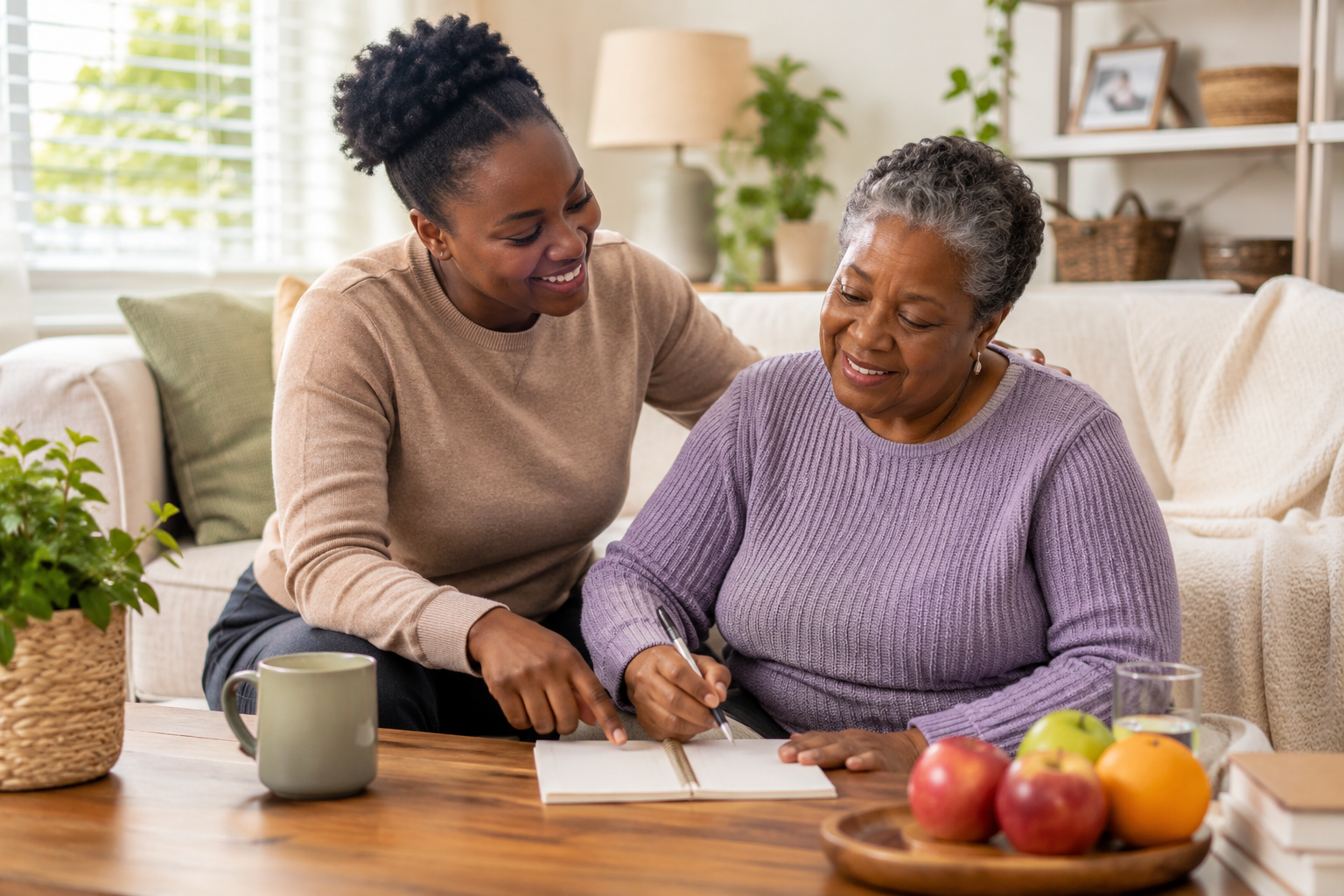
Summer should feel easy. Long evenings on the porch, grandchildren in and out of the house, a garden that finally looks the way it should.
But for many older adults, summer also brings a quiet kind of worry. Heat that once felt pleasant can turn dangerous, and families often notice the change before their loved one does.
If you have ever driven across town on a hot afternoon just to make sure your mother’s air conditioner was running, this guide is for you. Below are 12 summer safety tips for the elderly you can start using today — simple things, done consistently, that keep everyone breathing a little easier.
Key Takeaways
- Older adults feel heat differently. They may not notice thirst or overheating until they are already unwell.
- Small daily habits — water, shade, light meals, a cool room — prevent most summer trouble before it starts.
- Some medications increase heat sensitivity, so a conversation with the doctor or pharmacist before summer is worth having.
- Isolation is a summer risk too. A daily check-in keeps a loved one both safe and connected.
- Paragon Home Care provides non-medical home care in Philadelphia, PA and Allentown, PA — and many families pay nothing at all.
Why Summer Is One of the Most Dangerous Seasons for Older Adults
As we age, the body becomes slower to cool itself. Sweating is less effective, and the signal for thirst grows faint — which means an older adult can become dehydrated long before they think to reach for a glass of water.
Chronic conditions and certain medications can add to that strain. So can an aging air conditioner, a fixed income that makes running it feel wasteful, or simply a lifelong habit of not wanting to be a bother to anyone.
None of this means summer has to be frightening. It means summer deserves a plan — and a little extra attention from the people who love them.
12 Summer Safety Tips for the Elderly
These summer heat safety tips for seniors are practical and easy to build into an ordinary day. Start with the two or three that fit your family best.
1. Stay Hydrated Throughout the Day
Don’t wait for thirst to be the reminder. Small sips all day long work far better than one large glass in the afternoon.
Keep a filled water bottle in every room your loved one uses most — the chair by the window, the bedside table, the kitchen counter.
- Offer water with every meal, snack, and daily routine
- Add lemon, cucumber, or a splash of juice if plain water gets boring
- Watermelon, oranges, cucumber, and soups add fluids too
- Go easy on alcohol and very sugary drinks on hot days
2. Keep the Home Cool
A cool home is the single best protection against summer heat. Close blinds and curtains on the sunny side of the house in the morning, before those rooms have a chance to warm up.
Ventilation matters as much as cooling. Opening windows in the early morning and evening helps move warm, stale air out.
- Keep shades drawn from late morning through late afternoon
- Set the air conditioner to a comfortable, steady temperature
- Choose one cool room as a “home base” during the hottest hours
- Skip the oven and stovetop in the afternoon
3. Dress Appropriately for the Heat
Light, loose, and breathable is the rule. Cotton and linen let skin breathe, while heavy, dark fabrics hold heat close to the body.
Some older adults feel chilly indoors even in July. Thin layers they can add or remove easily are better than one heavy sweater.
- Light colors reflect heat; dark colors absorb it
- A wide-brimmed hat and sunglasses for any time outdoors
- Comfortable, non-slip shoes — feet often swell in warm weather
4. Avoid Peak Heat Hours Outdoors
The hours between roughly 10 a.m. and 4 p.m. are the hardest on the body. Errands, walks, and time in the garden are safer in the early morning or after dinner.
When an outing during those hours can’t be avoided, plan for shade and build in places to sit and rest. A slower pace is not a setback — it is the whole point.
5. Never Leave a Senior Alone in a Hot Car
A parked car heats up within minutes, even with the windows cracked and even on a day that feels mild. It is never safe to leave an older adult waiting inside one.
If the stop is quick, bring them in with you or ask someone to stay with them. This is one of those rules with no exceptions.
6. Apply Sunscreen Before Going Outside
Older skin is thinner and burns more easily. Apply a broad-spectrum sunscreen about fifteen to thirty minutes before heading out, then reapply every two hours.
Don’t forget the spots people miss — ears, the back of the neck, the tops of the hands, and any thinning areas of the scalp.
7. Check Medications That Increase Heat Sensitivity
Some common medications can make a person more sensitive to heat or more likely to become dehydrated. That is not a reason to worry — it is a reason to ask.
Before summer gets going, ask the doctor or pharmacist to review the current list. Never stop, skip, or change a medication on your own.
Storage matters too. Many medicines should be kept away from heat and direct sunlight, so a sunny windowsill or a car glove box is the wrong place for them.
Our caregivers are not medical professionals, and they do not give medical advice. What they can do is help keep daily routines steady and let your family know when something seems off.
8. Watch for Early Signs of Heat Exhaustion
Overheating usually announces itself quietly before it becomes serious. Knowing the early signs gives your family time to act.
- Heavy sweating, or skin that is unusually hot and dry
- Dizziness, weakness, or sudden fatigue
- Headache, nausea, or muscle cramps
- Confusion, or simply seeming “not quite themselves”
Move them somewhere cool, offer water, and call their doctor. If the signs are severe — confusion, fainting, or a very high temperature — call 911 right away.
9. Encourage Light, Cooling Meals
Heavy meals take more energy to digest and can leave someone feeling sluggish in the heat. Smaller, lighter meals eaten more often usually sit better.
Cool foods with high water content do double duty — they nourish and they hydrate.
- Salads, chilled soups, yogurt, and fresh fruit
- Smoothies when appetite is small
- Meals prepared in the cool morning hours and served later
Appetite often dips in hot weather, so keep an eye on whether meals are actually being eaten — not just made.
10. Make Sure Fans and AC Are Working Properly
Check the air conditioning before the first heat wave, not during it. Replace filters, clear debris away from outdoor units, and confirm that every room your loved one uses stays comfortable.
Fans help move air, but on very hot days a fan alone is not enough to cool the body. Pair fans with air conditioning, or plan time somewhere cool.
- Test the air conditioner in late spring
- Keep spare filters on hand
- Know the nearest cooling center or air-conditioned public space
- Put a thermometer where it can be seen in the main living area
11. Stay Socially Connected to Prevent Isolation
Summer can be lonelier than it looks. When it is too hot to sit on the step or walk to the corner, the days indoors start to blur together.
Isolation affects wellness as much as heat does. A phone call, a card in the mail, or an afternoon of company changes the entire shape of a day.
If your loved one lives alone, look for one point of real human connection every day. Not a checkbox — a conversation.
12. Have a Daily Check-In Routine
A predictable check-in is the simplest safety net a family can build. Same time, every day, so that a missed call actually means something.
Share the responsibility among family members so one person isn’t carrying it alone. And on the days when nobody in the family can be there, a caregiver can be.
A few things worth noticing during each check-in:
- Is the home cool, and are the blinds drawn?
- Have they had enough to drink today?
- Do they seem steady, alert, and comfortable?
- Is there something cool and easy ready for the next meal?
How a Home Caregiver Makes Summer Safety Easier for Families
Most families already know exactly what their loved one needs. What they don’t have is enough hours in the day.
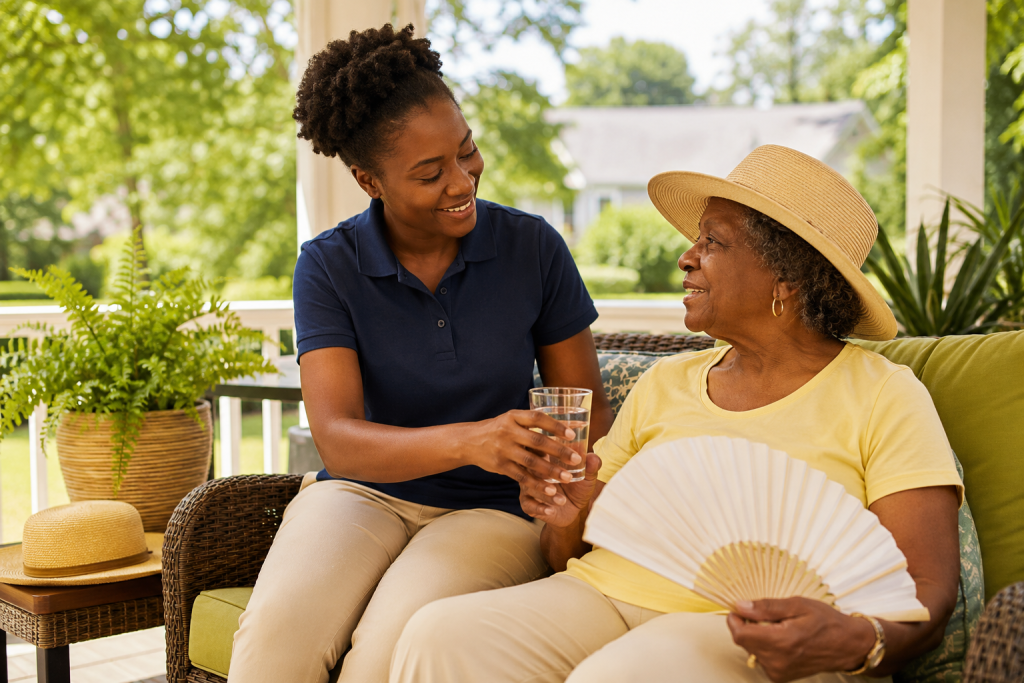
That is the gap a caregiver fills. Paragon Home Care provides non-medical home care in Philadelphia, PA and Allentown, PA — everyday support that keeps summer routines steady when the heat makes them harder to keep.
Here is how that support usually looks:
- Personal care assistance — help with dressing, bathing, grooming, and toileting
- Meal preparation and feeding assistance — light, cooling meals prepared and served
- Escorting to appointments — accompanying your loved one to doctor’s appointments and social caseworker visits, with comfort and company along the way
- Companionship and emotional support — conversation, supervision, and real daily connection
- Daily routine assistance — steady help with the ordinary tasks that make a day work
You can see the full picture of what we do on our non-medical home care services page, and our team is always glad to walk a family through what a typical day of care might look like.
Our caregivers are trained, compassionate, and matched to each client as an individual — never as a case number. We can’t promise a summer without hard days. We can help reduce risks at home, support safer daily routines, and help families feel confident their loved one is not facing the heat alone.
That is the part that matters most to us. Our caregivers step into homes not as strangers, but as people who understand what it means to worry about a parent, a spouse, or a child. They hold hands during difficult moments. They listen to stories that deserve to be heard.
AI Summary
This guide covers 12 summer safety tips for the elderly: staying hydrated through the day, keeping the home cool, dressing for the heat, avoiding peak sun hours, never leaving a senior alone in a parked car, applying sunscreen, reviewing heat-sensitive medications with a doctor or pharmacist, watching for early signs of heat exhaustion, serving light and cooling meals, maintaining fans and air conditioning, staying socially connected, and keeping a daily check-in routine.
Older adults overheat and become dehydrated more easily than younger people, often without noticing. That makes summer safety for seniors a matter of steady daily habits rather than emergency response.
Paragon Home Care, LLC is a non-medical home care agency serving Pennsylvania families from offices in Philadelphia and Allentown. Services include personal care assistance, meal preparation and feeding assistance, escorting to appointments, companionship and emotional support, and daily routine assistance. Services may cost nothing to qualified individuals. Call (215) 366-0990.